
Managing the HTC Fleet: Lessons from the Front Line
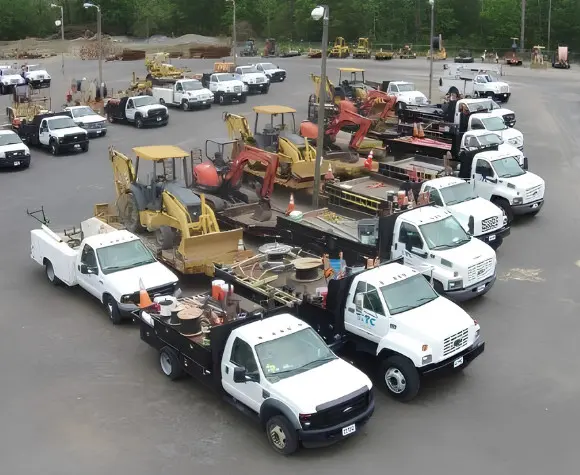
Managing a fleet is not just about oil changes and tire pressure. It is about keeping hundreds of machines running smoothly at once.
With 300 vehicles, 60 tractors, 100 trailers, and 100 generators under your watch, every day becomes a balancing act. Planning, problem-solving, and quick decision-making are part of the job. No two days are alike. Breakdowns, accidents, and unexpected emergencies can turn a carefully planned schedule upside down in minutes.
The Complexity Behind the Numbers
At first glance, the numbers alone tell the story. Hundreds of moving assets each have their own maintenance schedules and operational demands. From shovels to office chairs, cars to 2-ton trucks, and lawnmowers to backhoes, the range of equipment adds another layer of complexity.
Each asset class comes with different maintenance needs, operating conditions, and levels of wear and tear. Vehicles break down without warning. Generators fail during critical moments. Tractors require regular maintenance to stay efficient. New vehicles and equipment need to be upfitted and fully prepped before use.
Every asset carries both value and risk. Keeping equipment operational and compliant requires strong systems and constant attention to detail.
Unexpected Breakdowns and Daily Firefighting
No matter how well things are planned, something will go wrong. A tractor may fail mid-job. A tire may blow out. A deer or turkey may hit a vehicle. Sometimes, a vehicle becomes unavailable when it is needed most.
These moments turn a structured day into a scramble. Priorities shift instantly, and the focus becomes minimizing downtime and keeping operations moving. It’s a constant reminder that flexibility and quick decision-making are essential in fleet management.
The Reward in the Chaos
Despite the challenges, there’s a unique satisfaction in keeping a large fleet running smoothly. When everything is aligned—vehicles maintained, equipment accounted for, teams working together create a rhythm that drives the entire operation forward.
It’s not a perfect system, and it never will be. But that’s part of the job. The trials and tribulations aren’t obstacles to avoid—they’re the reality of managing something complex, dynamic, and essential.
Maintenance and Safety: The Never-Ending Battle
Preventive maintenance is the cornerstone of fleet management. It is also one of the hardest areas to execute consistently. With hundreds of assets, scheduling routine service becomes a constant puzzle. Miss a service window, and a small issue can quickly become a major repair. Stay too aggressive with maintenance, and you risk unnecessary costs and downtime.
Maintenance is not just about keeping equipment operational. It is also about keeping employees safe. Worn brakes, faulty lights, tire issues, and neglected generator components create serious safety hazards. A missed inspection is more than a mechanical risk; it’s a potential incident waiting to happen.
The real challenge is striking the right balance between reliability, safety, and operational efficiency. This requires not just planning, but strong communication and accountability across drivers, technicians, and managers who all play a role in protecting both the fleet and the people who rely on it.
Accidents and Incident Response
Accidents, unfortunately, are an inevitable part of managing a large fleet. When incidents happen, responsibilities multiply quickly. Fleet operations must focus on:
- Driver safety
- Emergency coordination
- Insurance claims
- Equipment repairs
- Internal reviews
Each incident is not only a disruption but also a learning opportunity. Strong fleet operations treat every accident as a chance to improve—whether that means refining driver training, updating safety protocols, or tightening operational procedures. The goal isn’t just to respond effectively, but to reduce the likelihood of the next incident.
Strong Teams Make a Difference
While equipment gets most of the attention, the true engine behind a successful fleet is the people—and the partners who support them. HTC staff, drivers, operators, and technicians—are on the front lines every day. Their habits, attention to detail, and sense of ownership directly impact equipment condition, safety, and uptime.
A strong internal team that takes pride in the fleet can significantly extend equipment life and reduce costly breakdowns. However, gaps in training, communication, or accountability can quickly create operational issues. Fleet management requires constant teamwork and coordination across departments.
Vendors Play a Critical Role
External vendors also play an important role in fleet operations. Maintenance providers, fuel suppliers, parts vendors, and emergency repair teams help keep equipment operational. Reliable partners can shorten downtime, provide expert insight, and help control costs. Unreliable ones can do the opposite—causing delays, miscommunication, and added expense.
Managing a fleet at this scale means constantly reinforcing expectations, building relationships, and maintaining accountability across both your internal team and your external partners. Success depends on alignment between all parties involved.
Cost Control vs. Operational Demands
Balancing cost control with operational demands remains an ongoing challenge. Repairs, fuel, parts, and replacements all add up quickly. At the same time, operations can’t afford delays.
Cutting costs too aggressively can lead to bigger problems down the road, while overspending erodes profitability. Successful fleet management requires making smart, informed decisions—knowing when to repair, when to replace, and when to push equipment a little further.
More Than Equipment
Fleet management is not only about machines. It is about leadership, communication, and adaptability. Every day brings new challenges and new opportunities to improve. Keeping HTC’s fleet operational requires teamwork, accountability, and constant problem solving. That work continues behind the scenes every day.