
Summer Phishing Scams: How to Protect Yourself While Traveling
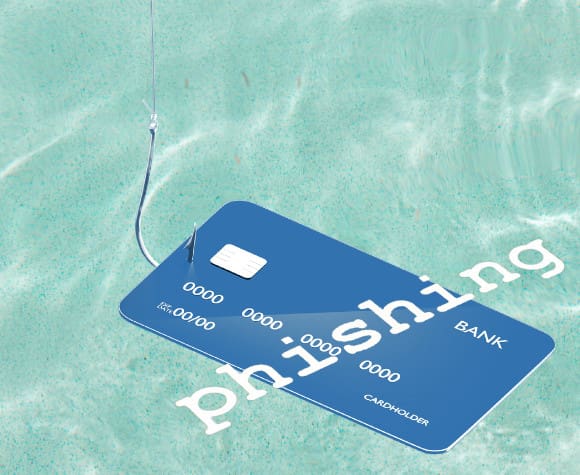 Summer brings vacations, road trips, and plenty of opportunities to make memories. However, it also brings increased activity from cybercriminals.
As travel increases, scammers ramp up their efforts. They send convincing emails, text messages, and fake websites designed to steal your information or money.
The good news? Knowing what to look for can help you stay one step ahead.
Here are some of the most common summer phishing scams and ways to avoid them.
Fake Hotel Confirmation Emails
Imagine opening your inbox and finding a hotel reservation you don’t remember making. Your first instinct might be to click “Cancel Reservation.”
That’s exactly what scammers are counting on.
These fake confirmations often contain malicious links or attachments. They may also direct you to fake login pages.
Those pages can steal your passwords and credit card information.
Red Flags to Look For:
– You never made the reservation.
– The email uses a generic greeting, such as “Dear Guest.”
– The message uses urgent language and demands immediate action.
– Links don’t lead to the hotel’s official website.
What to do instead: Visit the hotel’s website directly. You can also call the hotel using a phone number you find yourself.
Never rely on contact information provided in a suspicious email.
Vacation Rental Scams
Are you searching for the perfect beach house or mountain cabin? Scammers know travelers want great deals.
Fake vacation rental listings often feature beautiful photos and unbelievable prices. They may also ask you to pay through gift cards, wire transfers, or payment apps.
These payment methods often provide little or no buyer protection.
Red Flags to Look For:
– The price sits far below similar properties.
– The host pressures you to pay outside the booking platform.
– The listing has few or no reviews.
– Photos look overly professional or appear on multiple websites.
Whenever possible, book through reputable travel websites. Also, keep all communication within the booking platform.
Fake Airline and Travel Alerts
Scammers also impersonate airlines, cruise lines, and travel agencies.
You might receive a message claiming:
– Your flight has been canceled.
– You qualify for a travel refund.
– Your itinerary has changed.
– You need to verify your account.
The goal is to trick you into entering your login credentials or payment information.
Instead of clicking links in emails or texts, take a safer approach. Open the airline’s official app or type the website address directly into your browser.
QR Code Scams Are Everywhere
QR codes now appear at restaurants, airports, hotels, parking lots, and tourist attractions.
Unfortunately, scammers have started placing fake QR code stickers over legitimate ones.
When scanned, a fake QR code may:
– Take you to a fake payment website.
– Ask you to log in to a fake account.
– Download malicious software.
– Collect your personal information.
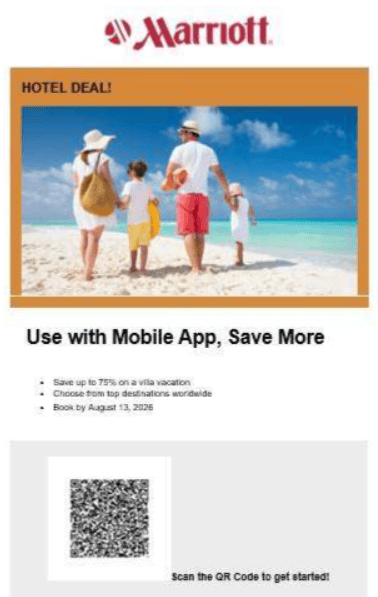
Before Scanning a QR Code:
– Check for stickers placed over existing QR codes.
– Make sure the website address looks legitimate before entering information.
– If something feels off, don’t continue.
Taking a few extra seconds to check can help protect your personal information.
Be Careful on Public Wi-Fi
Free Wi-Fi at airports, hotels, coffee shops, and vacation destinations is convenient. However, it isn’t always secure.
Cybercriminals sometimes create fake Wi-Fi networks with names that look legitimate. They hope travelers will connect without checking first.
Once connected, they may be able to intercept sensitive information.
Stay Safe by:
– Confirming the correct Wi-Fi network with staff.
– Avoiding online banking or shopping on public Wi-Fi.
– Using your cellular connection whenever possible.
– Using a trusted VPN when accessing sensitive information.
When traveling, convenience matters. However, protecting your information matters even more.
Summer Giveaway and Sweepstakes Scams
Who wouldn’t want to win a free vacation?
Scammers may send emails or social media messages claiming you’ve won:
– Airline tickets
– Resort stays
– Theme park passes
– Cruise vacations
The catch?
They ask for processing fees, credit card information, or personal details before you can claim your “prize.”
Remember: If you didn’t enter the contest, you probably didn’t win.
A Few Simple Ways to Stay Protected
Before clicking any link this summer, take a moment to pause.
Ask yourself:
– Was I expecting this email or text?
– Is the sender’s email address legitimate?
– Am I being pressured to act immediately?
– Does this offer seem too good to be true?
When in doubt, take a safer route:
– Visit the company’s website directly.
– Call the business using a trusted phone number.
– Delete suspicious emails and report them as spam.
A few extra seconds of caution can make a big difference.
Enjoy Your Summer—Safely
Summer should be filled with adventures, not identity theft or financial headaches.
Fortunately, a little caution can go a long way toward protecting your personal information and peace of mind.
By staying alert to common phishing tactics, you can spend less time worrying about scams. Instead, you can spend more time enjoying everything summer has to offer.
Stay safe, stay connected, and have a wonderful summer!