
Bridging the Digital Divide: Why HTC is Expanding Fiber in Rural Communities
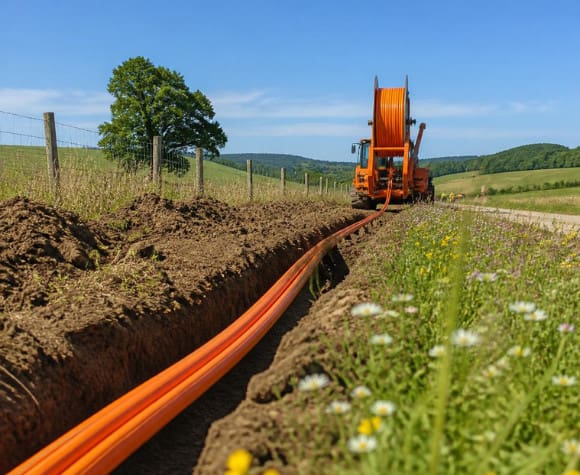 At HTC, we’ve always believed that connectivity does more than just link people to the internet — it connects them to opportunity, community, and the future.
As the nation’s largest member-owned internet cooperative, our mission has always been rooted in serving our members with cutting-edge technology while uplifting the communities we serve.
Every time we expand our service into new rural markets, we don’t just connect homes and businesses — we welcome new members into the cooperative family. Those members gain ownership in HTC, with all the benefits that cooperative membership brings, including the potential to earn capital credits, voting rights in cooperative decisions and competitive pricing on services.
Here are nine reasons why expanding high-speed fiber broadband in rural areas matters — and why we’re committed to doing it.
Solving the Digital Divide
The “digital divide” refers to the gap between those with access to high-speed, reliable internet and those without. These disparities often hit rural communities the hardest, leaving residents without the tools needed for modern life — from online education to telehealth, remote work and digital commerce.
At HTC, we’re working to close that divide by bringing a fiber-to-the-home connection to rural neighborhoods and underserved regions. Fiber delivers the reliability and speed that traditional copper and wireless options simply can’t match — empowering communities with the connectivity they need now and into the future.
Driving Local Economic Growth
A reliable internet connection is essential economic infrastructure. When rural communities gain high-speed fiber service, local businesses thrive. They can improve operations, reach customers online and compete in a digital economy. Workers can participate in remote employment opportunities without leaving home, and entrepreneurs can launch and scale businesses with confidence.
Expanding fiber isn’t just about technology; it’s about community-based economic vitality.
Unlocking Educational Opportunities
For students and educators alike, fast and dependable internet has become as fundamental as electricity or classroom space. Fiber expands access to:
- Virtual learning platforms and online coursework.
- Digital research tools and cloud applications.
- Homework and classroom collaboration without frustration.
By connecting rural students to the full digital world, we’re helping ensure every child has the tools to succeed.
Transforming Healthcare Through Telemedicine
Access to quality healthcare can be a challenge in rural areas where clinics and specialists may be hours away. High-speed fiber makes telemedicine — including virtual visits, remote monitoring and real-time diagnostics — a reality for more people. This reduces travel burdens, improves health outcomes and expands access to care for patients of all ages.
Strengthening Public Services and Safety
Broadband powered by fiber enhances critical community infrastructure:
- Emergency services can communicate and coordinate more effectively.
- Local schools, libraries and civic organizations can offer more robust digital services.
- Public safety systems like surveillance, alerting and real-time updates become stronger.
These improvements support safer, more responsive communities.
Enriching Quality of Life and Social Connectivity
Beyond business and essential services, connectivity enriches daily life. Residents in fiber-served communities enjoy:
- Seamless streaming and entertainment.
- Support for aging-in-place technologies and remote caregiving.
- Free public Wi-Fi in shared spaces such as parks and community centers, increasing digital access for everyone.
Reliable internet helps people stay connected to what matters most.
Future-Proofing with Fiber Technology
Fiber is more than fast today, it’s future ready. As applications like virtual reality, smart devices, advanced cloud computing and artificial intelligence become mainstream, fiber will be the backbone that supports them. Unlike other technologies that degrade or plateau over time, fiber scales with demand, making today’s investment tomorrow’s advantage.
Partnering for Impact
None of this work happens alone. Our rural broadband expansion often involves public grants, state partnerships, and federal funding programs, as well as contributions from HTC’s own cooperative capital. These collaborations make it possible to bring fiber where it’s needed most — from economically challenged areas to communities long overlooked by traditional providers.
But beyond funding, HTC engages with community leaders, residents and local organizations to plan and build responsibly, ensuring that the infrastructure we install genuinely meets local needs.
A Cooperative Commitment to Community
When HTC brings broadband connectivity to a community, we bring more than a service, we bring our entire cooperative family.
As a member-owned cooperative, HTC reinvests in the communities we serve. New members don’t just receive a dependable internet connection; they also gain ownership in the Cooperative and share in its success. This model creates long-term value that stays local and strengthens community ties.
Our expansion efforts are guided by a simple belief: thriving communities are built through shared ownership, collaboration and mutual benefit.
One Final Note
At HTC, broadband expansion isn’t a strategy, it’s a commitment to service, community and shared success. For more than 70 years, we’ve stayed true to our roots: connecting people, empowering communities and creating opportunities for growth.
When we bring fiber to a new area, we’re not just installing cables, we’re fostering inclusion, economic resilience and community ownership. We welcome our new members, knowing that as owners of the cooperative, they now have a voice and a stake in something bigger than connectivity alone.
That’s the cooperative difference. And it’s why we’re proud to keep expanding, one community at a time.