
How Reliable Internet Access is Powering Better Telemedicine
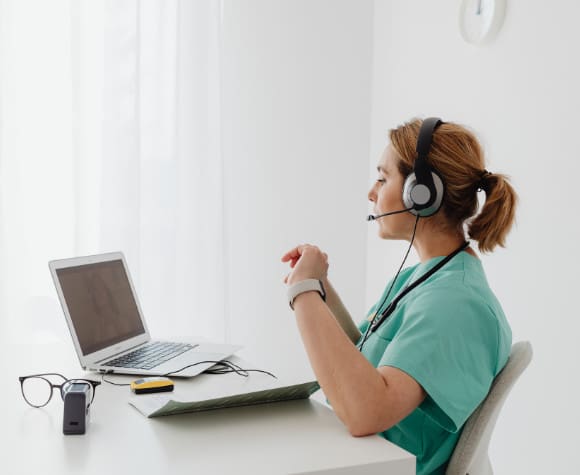 Reliable internet access is no longer a nicety – it’s a necessity.
And one of the many areas that connectivity has improved the quality of life for residents across Horry, Georgetown, and Marion counties is by powering telehealth. Now that more homes and communities are connected to fiber, patients can reach doctors, therapists, and specialists from home with greater ease and confidence.
That means less time on the road, more flexibility for families, and a smoother healthcare experience overall. With strong connectivity in place, telehealth is becoming a more practical and dependable option for everyday care.
Why It Matters
One of the biggest ways reliable internet access improves telemedicine is by making care more convenient. Patients can check in from home, avoid the drive to the doctor’s offices, and often get care sooner. That can be especially helpful for follow-ups, mental health visits, chronic condition management, and specialist appointments. It can even relieve stress on emergency rooms that see patients for common issues that can be addressed virtually, and before they become emergencies.
The Role of Connectivity
Reliable internet is what helps telemedicine feel simple and seamless. High-quality connections support clearer video visits, faster sharing of records, and better use of remote monitoring tools for things like blood pressure, glucose, and oxygen levels. And when that connection is fiber to the home, patients and providers benefit from strong upload and download speeds that help telehealth calls stay smooth, stable, and uninterrupted. That kind of performance can make virtual care feel more natural and dependable for everyone involved.
Reaching More Communities
Telehealth can make it easier to connect with primary care doctors and specialists without long drives or added scheduling stress. It can also help families fit care into busy routines and make follow-up visits more manageable. Telemedicine has the power to bring more value to patients, providers, and communities.
Not a One-Size-Fits-All Solution
Telemedicine is not a replacement for every kind of care. Some visits still need in-person exams, tests, or treatment. The goal is not to replace traditional care. It is to give patients another reliable option. Providers and patients also have to navigate cost recovery together – insurance plans and Medicare and Medicaid have varying rules around reimbursement for telehealth services.
The Big Takeaway
Telemedicine is here to stay, and reliable internet access is helping make it better. With fiber-to-the-home connectivity supporting seamless upload and download speeds, virtual care can be more convenient, more flexible, and more dependable. Ask your healthcare provider if they participate in telehealth. If they do, they should be able to walk you through how to sign up and log in.